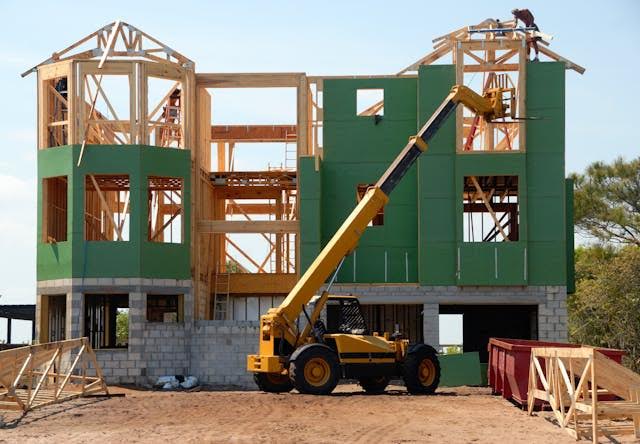
Creating your ideal home can feel thrilling, but without proper planning, it might get stressful fast. Every choice you make, from how the rooms are arranged to what materials you use, plays a role in shaping a space that fits your way of living. Whether you’re designing something new or tweaking an existing plan, these seven tips will help you create a home that looks great and works well.
Have a Solid Vision from the Start
Before starting construction, figure out what “perfect” means to you. Think about what you need now and in the future. Decide how many bedrooms and bathrooms you will need. Think about whether you prefer open spaces or separate rooms. Imagine how much outdoor space works best for you. Picture how your daily routine fits into the design. Do you host guests a lot? Do you work at home? Do you need room for your hobbies?
Using a vision board or gathering ideas from design magazines and websites helps share your thoughts more with architects and builders. A clear picture of what you want makes it simpler to choose as you go along.
Pick the Best Spot
Picking the right spot to build a home makes a huge difference. It plays a role in things like how long it takes to get to work and what your property might be worth someday. Choose a neighborhood that fits how you live. Think about how close it is to schools or your job as well as shopping spots and places to hang out.
Look at the land. Is it easy to build on, or does it slope? Does the water drain well? Which way does it face? These details can affect how your house is designed how much energy it uses, and how much it’ll cost to build. A good location can improve your day-to-day life and protect the value of your home in the future.
Get Help From Experts You Trust
Choosing skilled and trustworthy professionals is essential to build your home . You will need a strong team, including an architect, builder interior designer, and contractors. Take the effort to interview possible hires, look over references, and assess their previous work.
If you need roofing, hiring dependable Austin roofers is important. They provide solid materials and proper installation to protect your home. Experts in your area also know local weather and building rules, which play a big role in how sturdy and long-lasting your home will be.
Prioritize Functionality Before Aesthetics
While it’s tempting to focus on finishes, colors, and design trends, the foundation of a perfect home lies in how well it functions for your lifestyle. Think about how you move through your day—where you spend the most time, how much storage you need, and how your family interacts with the space. Prioritize layout decisions that support comfort, efficiency, and flexibility. For example, an open-concept kitchen might be ideal for entertaining, while a separate home office could be essential for remote work. A beautiful home that doesn’t meet your daily needs can quickly become frustrating, so let function guide your design choices from the start.
Invest in Quality Where It Counts
Not every part of your home needs to be top-of-the-line, but certain areas deserve a bigger slice of your budget. Focus on long-term value by investing in high-quality materials and systems that impact safety, durability, and energy efficiency—like insulation, windows, roofing, and HVAC. These elements may not be as visible as countertops or light fixtures, but they play a huge role in your home’s comfort and cost of ownership over time. Choosing quality in these areas can reduce maintenance headaches, lower utility bills, and increase your home’s resale value, making it a smart investment in the long run.
Focus on Making Your Home Energy Efficient
A home that uses less energy helps the environment and keeps costs down over time. To achieve this, includes things like quality windows solid insulation, and appliances that use less energy. Think about using eco-friendly materials and power options like solar panels.
The way you design your home matters too. Placing your house to make the most of sunlight and airflow can lower the need for electric lights and cooling or heating systems. Using smart technology can make it even better by giving you tools to track and control energy usage.
Think Ahead
Your needs tend to shift as time passes so planning with flexibility is a smart move. Consider how your family might expand or how your way of living might change. Things like extra storage rooms that serve multiple functions, and designs that are easy to adjust can make your house more versatile.
You might not need a home office or guest room right now, but leaving room to turn a space into one later can add lasting value. Thinking ahead helps you avoid expensive remodels in the future and keeps your home aligned with your needs over time.
Conclusion
Creating a perfect home means more than picking paint colors or selecting countertops. It involves making a space that fits how you live, shows who you are, and lasts through the years. Begin with a clear idea, find the best location partner with reliable experts, and think ahead to build your dream home. The choices you make now shape how comfortable and useful your home will be and how much happiness it will bring in the years ahead.