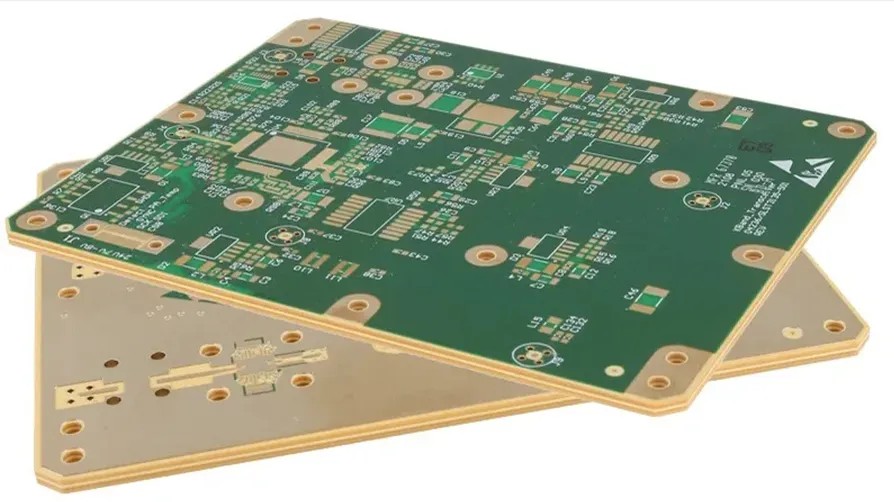
Printed Circuit Boards (PCBs) form the structural and electrical backbone of modern electronic devices. From simple consumer electronics to complex industrial systems, nearly every electronic product relies on a reliable PCB substrate to support components and transmit signals. Among all PCB materials available today, FR4 PCB material has become the most widely used and recognized standard across the global electronics industry.
FR4 is known for its balanced combination of mechanical strength, electrical insulation, thermal resistance, and cost efficiency. Because of these properties, FR4 has remained the dominant substrate material in PCB manufacturing for decades.
This article provides a comprehensive explanation of FR4 PCB material, including its composition, key properties, manufacturing processes, advantages, limitations, and common applications. Understanding FR4 is essential for engineers, product developers, and businesses involved in electronics design and manufacturing.
What Is FR4 PCB Material?
FR4 is a glass-reinforced epoxy laminate material used as the base substrate for printed circuit boards. The name “FR4” stands for Flame Retardant Level 4, which refers to its classification under the National Electrical Manufacturers Association (NEMA) standards for flame-resistant materials.
FR4 consists primarily of woven fiberglass cloth impregnated with epoxy resin. The fiberglass provides mechanical strength, while the epoxy resin acts as a binder and electrical insulator.
When copper foil is laminated onto the FR4 substrate, it forms the conductive layers that carry electrical signals across the PCB.
The resulting material provides an ideal balance between durability, electrical performance, and affordability, making it suitable for a wide range of electronic products.
Composition of FR4 PCB Material
FR4 materials are engineered using several carefully selected components that work together to deliver stable mechanical and electrical properties.
Fiberglass Cloth
The fiberglass component of FR4 provides structural strength and dimensional stability. It is typically made from woven glass fibers arranged in a fabric pattern.
This woven structure helps prevent warping and deformation during the PCB manufacturing process and during long-term device operation.
Epoxy Resin
Epoxy resin binds the fiberglass layers together and serves as an electrical insulator. It also contributes to the material’s flame-retardant properties.
The resin undergoes curing during the manufacturing process, forming a rigid and durable laminate structure.
Flame Retardant Additives
FR4 materials include chemical additives that improve flame resistance. These additives ensure the material meets fire safety standards required in many electronic applications.
Copper Foil
Copper foil is laminated onto the FR4 substrate to create the conductive circuit traces used in PCB designs. The copper thickness can vary depending on the electrical current requirements of the circuit.
Key Properties of FR4 PCB Material
FR4 has become the industry standard because it provides a strong balance of electrical, mechanical, and thermal properties.
Mechanical Strength
The fiberglass reinforcement provides excellent structural strength. FR4 boards maintain stability even when supporting large or heavy electronic components.
Electrical Insulation
FR4 has strong insulating properties, preventing electrical leakage between conductive layers and components.
Flame Resistance
One of the defining characteristics of FR4 materials is their ability to resist burning. The flame-retardant properties help improve safety in electronic devices.
Thermal Stability
FR4 materials can withstand moderately high temperatures encountered during soldering and device operation.
Cost Efficiency
Compared with specialized materials used for high-frequency or high-temperature applications, FR4 is relatively inexpensive to manufacture.
These characteristics make FR4 an excellent choice for most general-purpose electronic products.
Electrical Properties of FR4
FR4 materials are suitable for many standard electronic circuits because of their stable electrical characteristics.
Important electrical properties include:
- Dielectric constant: typically around 4.2 to 4.8
- Dielectric strength: high resistance to electrical breakdown
- Low conductivity: effective electrical insulation
Although FR4 works well for most digital electronics, it may not be ideal for very high-frequency RF applications where signal loss must be minimized.
Thermal Properties of FR4
Thermal performance is an important consideration in PCB design. FR4 materials offer moderate thermal resistance suitable for many electronic devices.
Key thermal characteristics include:
- Glass transition temperature (Tg): typically between 130°C and 180°C
- Thermal conductivity: relatively low compared to metal-core materials
- Thermal expansion: controlled expansion under heat
High-Tg FR4 variants are available for applications requiring better thermal stability.
Types of FR4 PCB Materials
Different grades of FR4 materials are available to meet varying design requirements.
Standard FR4
Standard FR4 is widely used in consumer electronics and general-purpose PCBs. It offers good mechanical and electrical performance at a low cost.
High-Tg FR4
High-Tg FR4 materials provide improved thermal resistance and are commonly used in multilayer PCBs or high-temperature environments.
Halogen-Free FR4
Some manufacturers offer environmentally friendly FR4 materials that do not contain halogen-based flame retardants.
High-Frequency FR4
Modified FR4 materials with improved electrical properties can support moderately high-frequency circuits.
Selecting the correct FR4 grade depends on the specific operating conditions and performance requirements of the electronic device.
Manufacturing Process of FR4 PCBs
FR4 PCBs are produced through a series of precise manufacturing steps that transform raw materials into functional circuit boards.
Lamination
Fiberglass cloth sheets are impregnated with epoxy resin and partially cured to create prepreg layers. These layers are stacked and laminated under heat and pressure to form rigid substrate panels.
Copper Cladding
Copper foil is bonded to the FR4 substrate to create copper-clad laminate panels.
Circuit Patterning
Photoresist and photolithography processes transfer the circuit design onto the copper surface.
Etching
Chemical etching removes unwanted copper, leaving only the desired circuit traces.
Drilling
CNC drilling machines create holes for component leads and vias connecting multiple PCB layers.
Plating
Copper plating deposits conductive material inside drilled holes to form electrical connections between layers.
Solder Mask and Silkscreen
A solder mask protects the copper traces, while the silkscreen layer adds component labels and identification markings.
High-quality PCB manufacturers rely on advanced fabrication technologies and strict quality control procedures to ensure consistent performance. Companies specializing in PCB fabrication technologies, such as www.pcbinq.com, provide insight into professional PCB manufacturing processes and material expertise.
Advantages of FR4 PCBs
FR4 PCBs remain the most widely used circuit boards because of their numerous advantages.
Versatility
FR4 can be used in a wide range of PCB types, including:
- single-layer PCBs
- double-sided PCBs
- multilayer PCBs
Mechanical Durability
The fiberglass reinforcement makes FR4 boards resistant to mechanical stress and deformation.
Manufacturing Compatibility
FR4 materials are compatible with most standard PCB fabrication techniques.
Cost Effectiveness
FR4 offers excellent performance relative to its manufacturing cost.
Because of these benefits, FR4 remains the preferred choice for most electronic devices.
Limitations of FR4 PCB Material
Although FR4 is highly versatile, it does have certain limitations.
Limited High-Frequency Performance
FR4 materials may introduce signal loss at very high frequencies. Specialized materials are often used for RF or microwave circuits.
Moderate Thermal Conductivity
FR4 does not dissipate heat as effectively as metal-core or ceramic substrates.
Moisture Absorption
Under extremely humid conditions, FR4 can absorb small amounts of moisture, which may affect performance.
Understanding these limitations helps engineers determine when alternative materials may be required.
Applications of FR4 PCBs
FR4 PCBs are used in an enormous range of electronic products across multiple industries.
Consumer Electronics
Many everyday devices rely on FR4 circuit boards, including:
- smartphones
- televisions
- computers
- gaming consoles
Industrial Equipment
Industrial control systems frequently use FR4 PCBs for reliability and cost efficiency.
Automotive Electronics
Many automotive electronic systems are built using high-Tg FR4 materials.
Communication Equipment
Networking devices and communication hardware often use multilayer FR4 PCBs.
Because of its versatility, FR4 remains the dominant PCB substrate material in global electronics manufacturing.
Manufacturers specializing in PCB fabrication and engineering services, such as https://www.pcbinq.com, support a wide range of FR4-based PCB technologies for various electronic applications.
Future Developments in FR4 Materials
Although newer materials are emerging, FR4 continues to evolve with improvements in performance and sustainability.
Higher Thermal Resistance
New FR4 formulations are being developed with improved thermal stability for high-power electronics.
Environmentally Friendly Materials
Halogen-free FR4 options are becoming more common as manufacturers adopt environmentally responsible production practices.
Improved Signal Performance
Enhanced FR4 materials with optimized dielectric properties can support faster digital communication systems.
These innovations ensure that FR4 will remain a key material in electronics manufacturing for years to come.
Conclusion
FR4 PCB material has become the foundation of modern electronics due to its reliable performance, affordability, and versatility. Its combination of fiberglass reinforcement and epoxy resin creates a strong, flame-resistant substrate capable of supporting a wide range of electronic designs.
From simple consumer devices to complex multilayer circuit boards used in industrial and communication systems, FR4 remains the most widely used PCB material in the world. By understanding its composition, properties, advantages, and limitations, engineers and manufacturers can make informed decisions when designing high-performance electronic products.
As technology continues to advance, improvements in FR4 materials and manufacturing processes will ensure that this essential substrate remains a cornerstone of the global electronics industry.