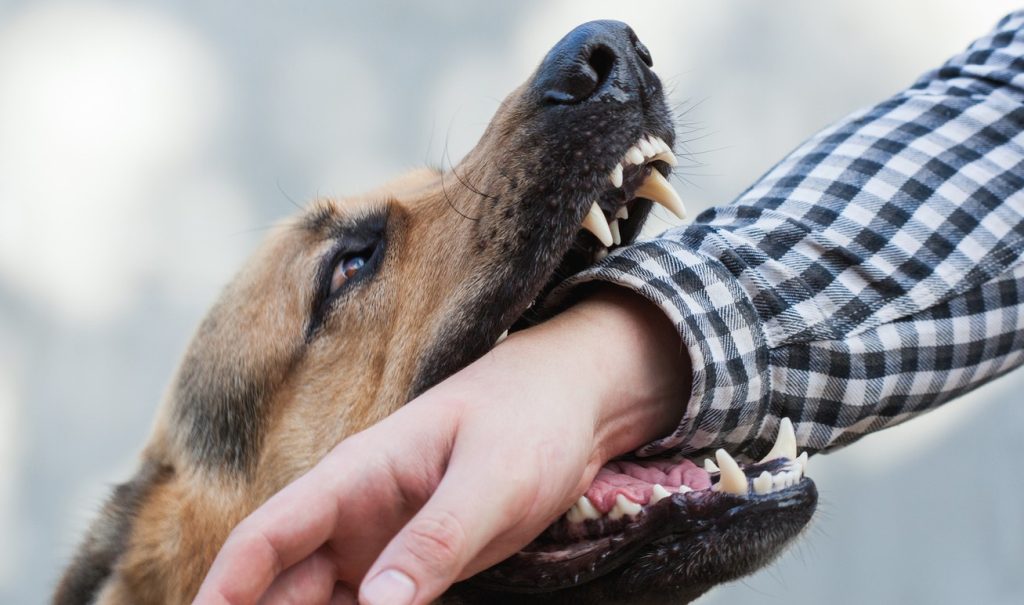
Incidents involving dog bites may cause severe bodily harm, psychological distress, and unforeseen financial difficulties. Victims often seek compensation due to medical expenditures, missed wages, and continuing treatment costs. Insurance companies often become involved because dog owners may have renters’ or homeowners’ insurance plans that cover responsibility for injuries caused by dog bites. Victims may better prepare for the process and safeguard their rights by being aware of how insurance companies handle these claims.
The First Claim Examination
The insurance company starts an inquiry as soon as a dog bite claim is filed. In order to ascertain if the insurance offers coverage and whether the dog owner may be held legally liable for the injuries, the insurer collects information about the occurrence.
Insurance adjusters examine any available evidence, including accident reports, medical records, photos, and witness accounts, during this phase. To get a full picture of what transpired, they could get in touch with the victim, the dog’s owner, and witnesses. Insurance companies often want information on the location of the assault, whether the victim was there legally, and if the dog has a history of acting aggressively.
Assessing culpability and estimating the claim’s potential worth are the investigation’s objectives.
Assessing Coverage And Liability
Insurance companies thoroughly investigate whether the occurrence is covered by the dog owner’s insurance coverage. Although liability coverage for dog attacks is often included in homeowners’ and renters’ insurance plans, some policies include limitations for certain dog breeds or previous incidents involving the same animal.
Additionally, the insurer assesses if local or state regulations may hold the dog owner legally liable. While some countries demand evidence that the owner knew or should have known the dog presented a risk, others impose strict responsibility on dog owners.
When deciding whether the injured party may be eligible for compensation, certain legal factors are crucial.
Examining Medical Evidence
One of the most crucial components of any dog bite lawsuit is medical documentation. In order to assess the extent of the injuries and the expense of care, insurance companies thoroughly examine treatment records.
They could take into account future medical requirements as well as ER visits, surgeries, prescription drugs, physical rehabilitation, and psychological counseling. Dog bites often result in nerve damage, mental discomfort, or permanent scars, all of which might lower the claim’s worth.
Victims should maintain thorough records of any treatments they get after the incident since insurance depends significantly on medical proof.
Calculating The Value Of A Claim
The insurance company determines the claim’s potential worth after examining the evidence. Economic damages, including missed pay, medical bills, and rehabilitation expenditures, are often included in this evaluation.
Non-economic damages pertaining to pain, suffering, emotional distress, and diminished quality of life may also be assessed by the insurer. Insurance companies, however, usually try to keep compensation to a minimum. Because of this, the full severity of the injuries could not always be reflected in their first settlement offers.
In order to better grasp the worth of their claim and assess if a settlement offer is realistic, many victims decide to speak with a dog bite accident lawyer.
Negotiations For Settlement
Negotiations often start after the insurance firm finishes its assessment. In order to settle the claim without going to court, the insurance may make a settlement offer.
There may be many rounds of conversations during settlement talks. Insurance adjusters may contest specific medical costs, cast doubt on the extent of injuries, or contend that the victim bears part of the blame for the occurrence.
During these conversations, a claimant’s case might be greatly strengthened with solid proof and appropriate documents. A dog bite accident lawyer may assist in presenting evidence, corresponding with insurance companies, and fighting for just recompense in more complicated instances.
When Claims Turn Into Conflicts
Not every dog bite claim is settled right away. For a variety of reasons, including disagreements about coverage, responsibility, or the severity of the injuries, insurance companies may reject claims.
Further legal action may be required when disputes emerge. This might include suing the accountable party or engaging in arbitration or mediation. Both parties may often offer evidence during legal procedures and use the legal system to try to reach a settlement.
Compensation is not always inaccessible when a claim is rejected. After more research or legal examination, many contested matters are ultimately settled.
In Conclusion
From researching the occurrence to assessing damages and arranging settlements, insurance firms are crucial in managing dog bite claims. Before deciding how much to pay, insurers thoroughly examine every facet of a claim, even though they may provide compensation via liability coverage. Victims may better position themselves to seek the compensation they are entitled to after a dog attack by being aware of how insurance companies handle dog bite cases and by keeping thorough records.