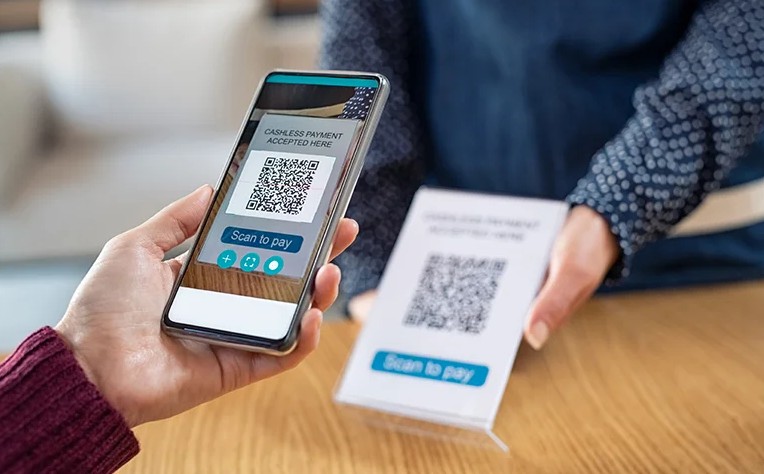
The way people make digital payments has changed quickly over the past few years. More users now prefer fast and simple payment methods that work across different platforms. One of the most discussed payment systems in Indonesia is QRIS, a technology designed to make transactions easier for both businesses and customers.
QRIS stands for Quick Response Code Indonesian Standard. It was introduced to create a unified payment experience. Instead of dealing with multiple QR codes from different providers, users can scan a single code using many supported banking and e-wallet applications. This approach helps reduce confusion and improves convenience for daily transactions.
One reason QRIS has gained attention is its accessibility. Small businesses, food vendors, retail stores, and online services can all use the same payment standard. Customers only need a smartphone and a supported application to complete a payment within seconds. This level of convenience has encouraged wider adoption across many sectors.
Many internet users also search for payment-related terms because they want to understand how digital transactions work in different online environments. For example, some searches may include phrases such as “slot deposit 1000 qris” when people are looking for information about QRIS based payment options that appear on various websites. Understanding the payment method itself is important before using any online service.
Security is another major factor behind the popularity of QRIS. Transactions are processed through regulated financial institutions that follow established standards. Users can verify payment details before confirming a transaction, which helps reduce the risk of mistakes. While no payment system is completely risk-free, QRIS provides a structured framework that supports safer digital payments.
The growing use of smartphones has also contributed to the rise of QRIS. Mobile devices have become an essential part of everyday life. People use them for communication, shopping, transportation, and financial activities. Because QRIS is designed for mobile use, it fits naturally into modern consumer habits.
Businesses benefit as well. Traditional cash handling often requires additional time and effort. Digital payments can simplify bookkeeping and improve transaction efficiency. Customers appreciate faster service, while merchants gain access to a broader range of payment options. This creates a more seamless experience for everyone involved.
Education plays an important role in the successful adoption of digital payment systems. Users should learn how to verify payment destinations, protect account credentials, and recognize suspicious activity. Basic awareness can significantly reduce the likelihood of fraud and unauthorized transactions.
As technology continues to evolve, payment systems will likely become even more integrated into daily life. Features such as real-time transaction tracking, enhanced security measures, and improved user interfaces are expected to make digital payments increasingly convenient. QRIS represents one example of how financial technology can simplify transactions while supporting economic growth.
In conclusion, QRIS has become a significant part of Indonesia’s digital payment landscape because it offers convenience, accessibility, and efficiency. Whether used by consumers or businesses, the system demonstrates how standardized payment solutions can improve everyday transactions. By understanding how QRIS works and following good security practices, users can take advantage of a modern payment method that continues to grow in popularity.